


Not Every Growth Is Cancerous
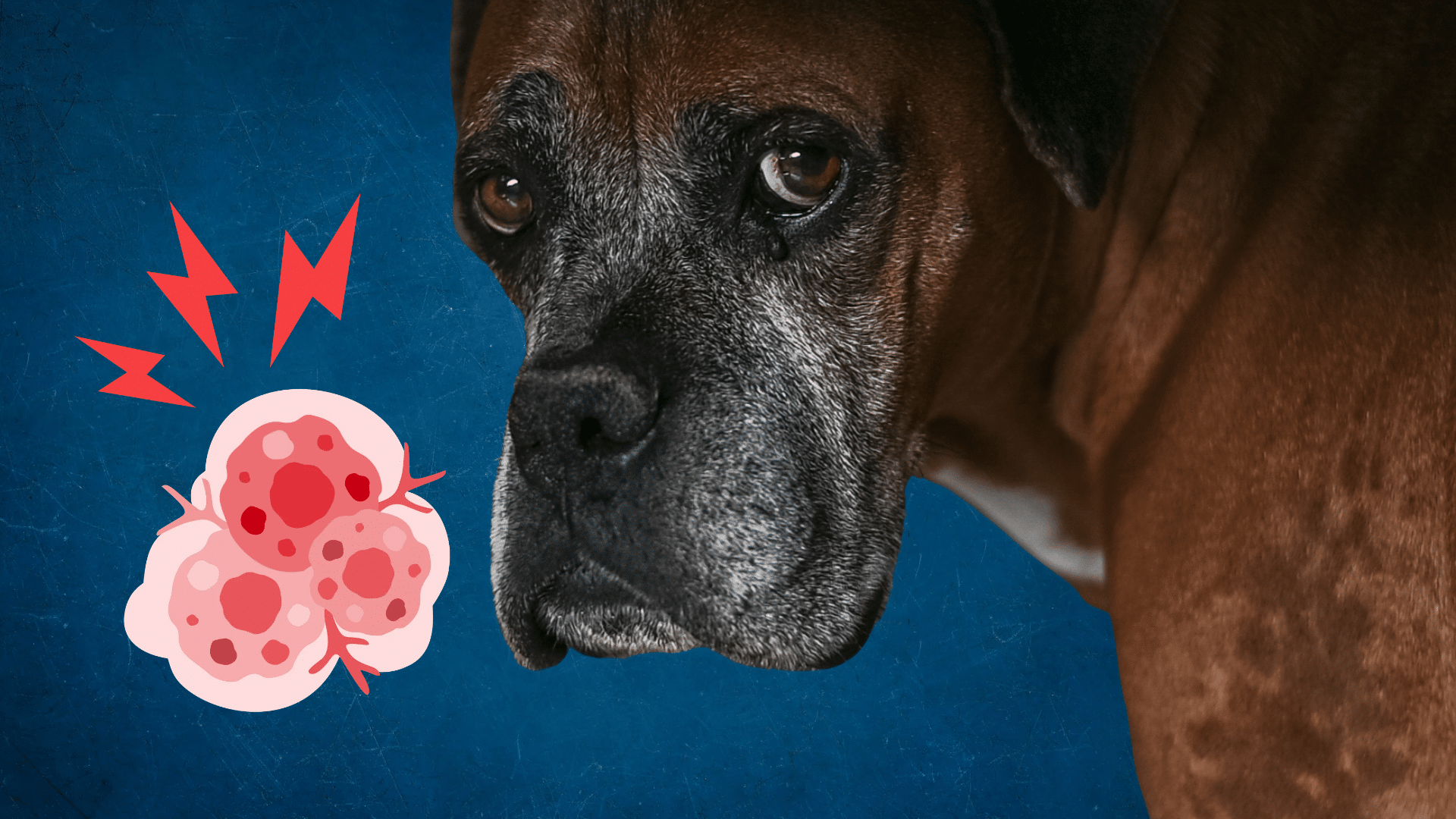
Approximately 1 in 4 dogs will develop a form of cancer. The risk of cancer in dogs increases with age, and certain breeds are predisposed to specific cancers, but neither factor determines an individual dog’s diagnosis. Still, dogs develop lumps for several reasons, including cysts, fatty growths, inflammation, and infections. Some masses are cancerous, while benign growths do not invade surrounding tissues or spread to distant parts of the body. Even a benign lump should be checked because it may cause irritation or interfere with movement.Watch for Changes Beyond a Lump
A new bump, a rapidly changing growth, or a sore that does not heal deserves an appointment with a veterinarian. Other possible signs of cancer in dogs include unexplained weight loss, stiff movement, unusual bleeding from the nose or mouth, breathing problems, reduced appetite, and lower energy. These symptoms occur with other illnesses, too, so they are reasons to investigate rather than proof of cancer. Tell your veterinarian about changes in your dog’s habits, including symptoms that appeared before you found the lump.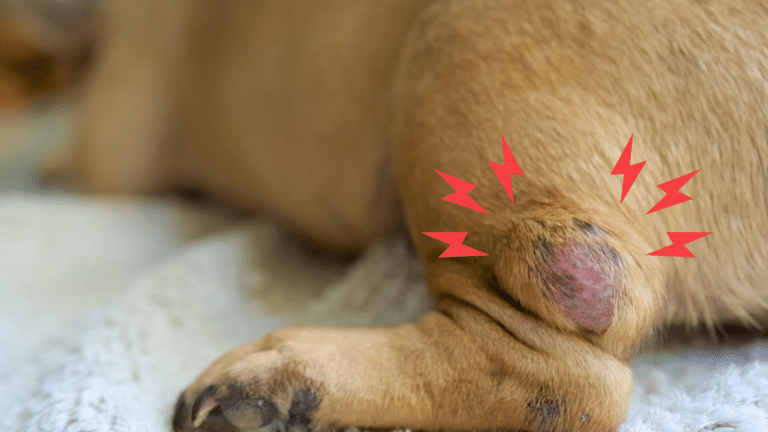
What a Veterinarian May Recommend For Checking a Bump
Contact Jupiter Veterinary Hospital & Urgent Care when you find a mass, and describe its location, approximate size, and any recent changes. During an exam, a veterinarian will assess the area, review your dog’s health history, and ask about other symptoms.
Depending on the findings, the vet may recommend taking a tissue sample for examination (biopsy). The results can guide recommendations about monitoring, additional testing, removal, or referral. Avoid trying to squeeze, drain, or treat the growth yourself.
Make Checking Your Dog a Comfortable Routine
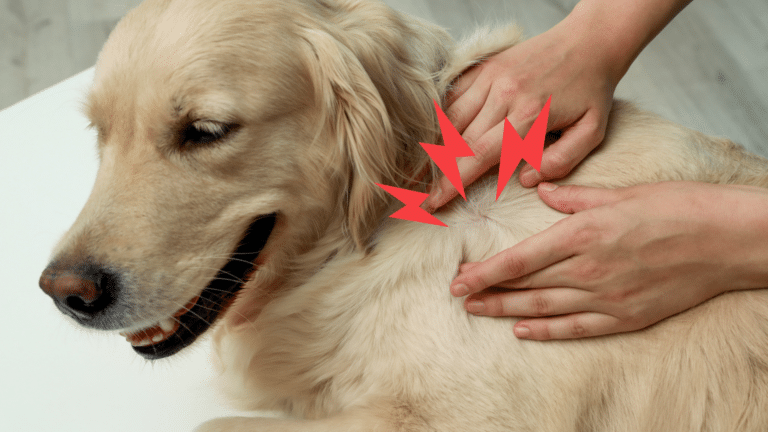
A calm brushing session or petting gives you an opportunity to look and feel for changes beneath your dog’s coat. Gently check all over your dog, paying attention to unfamiliar bumps or changes around older ones. Be sure to lift the lips to look for sores, unusual growths, or bleeding inside your pet’s mouth, too.
Do not continue handling an area that causes discomfort, as your dog could react negatively. If you find something, report new changes to your veterinarian.